
Our Factory
Manufacturing Shot Blasting Machines Since 2006
Hebei Yufei Machinery Manufacturing Co., Ltd. has designed and built shot blasting equipment in Botou, Hebei since 2006. Everything from cutting and welding to assembly, wiring and load testing happens on our own 20,000 m² site across four production lines — no outsourced fabrication.
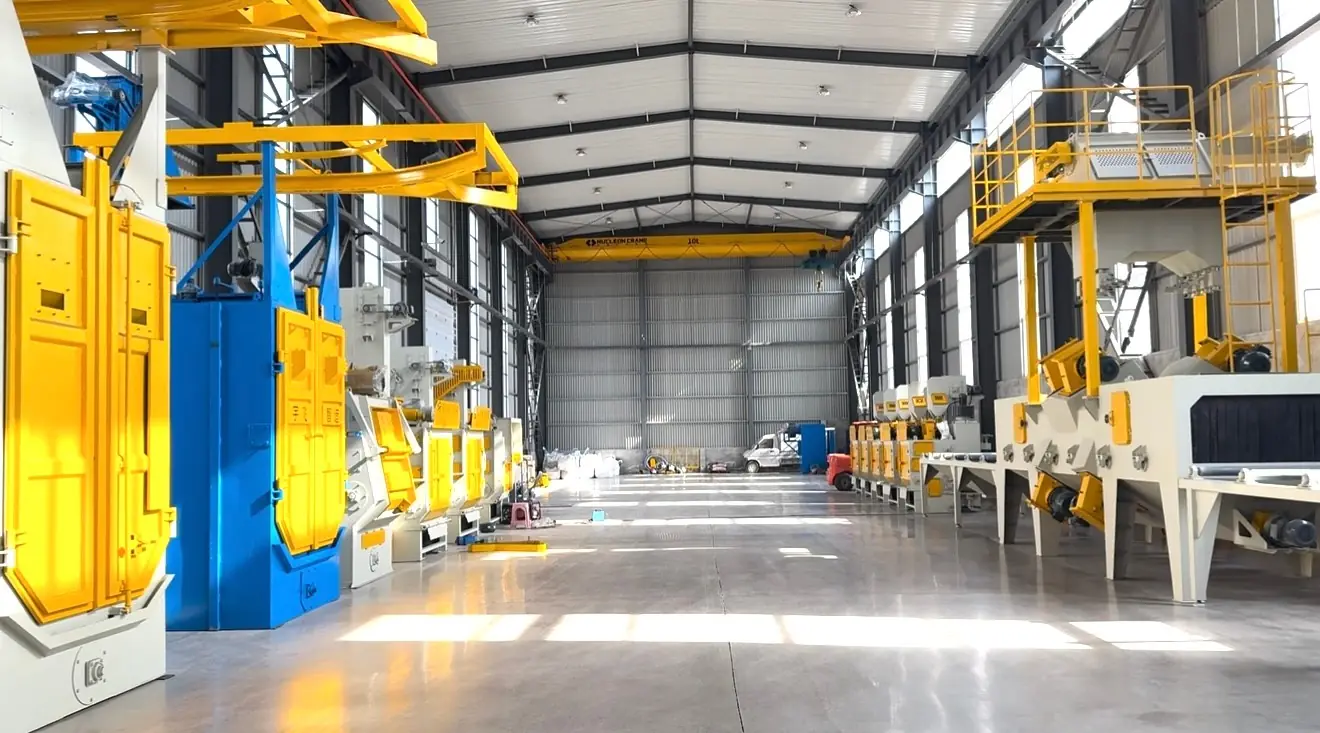 Machine Assembly Workshop
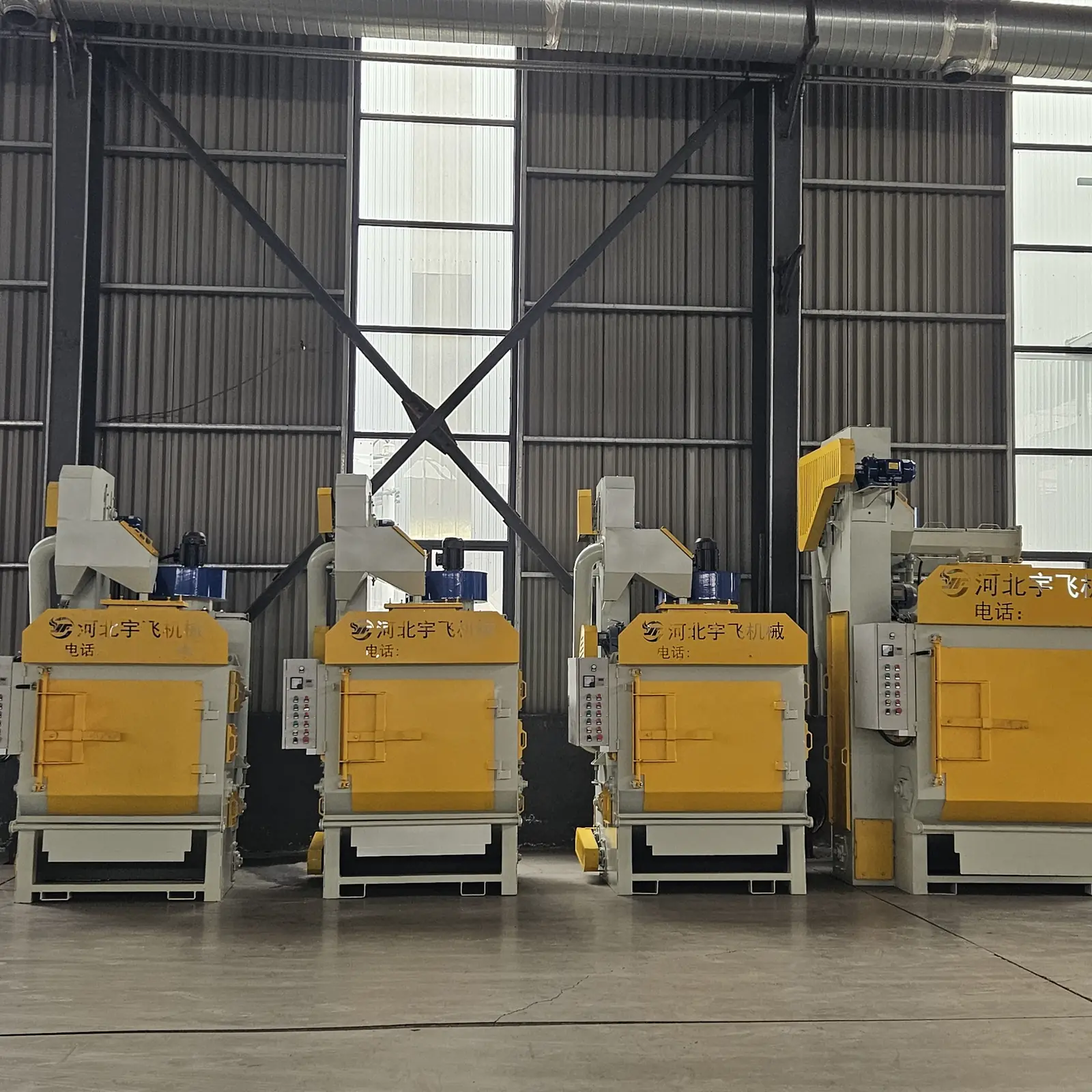 Batch Production
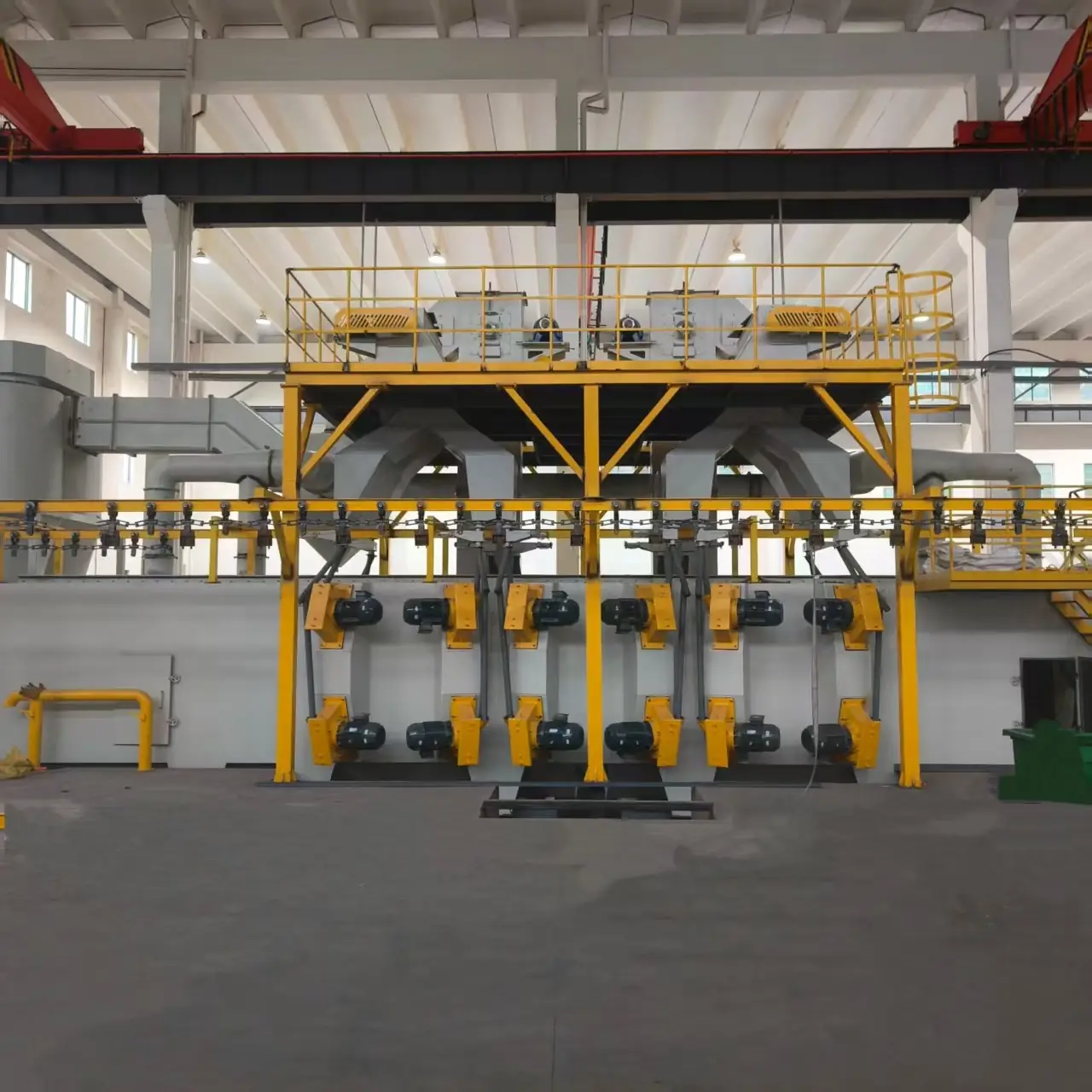 Blast Wheel Assembly
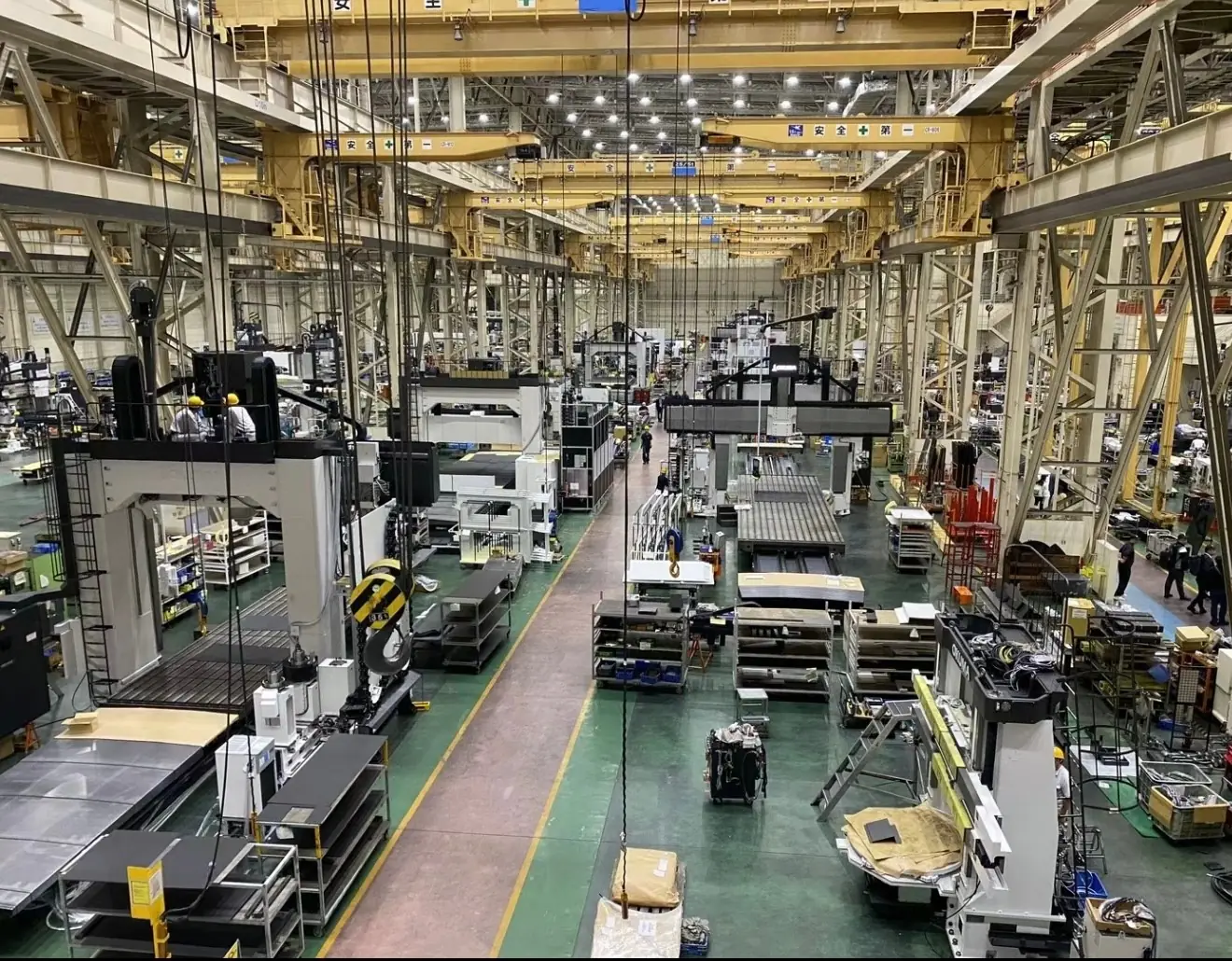 Production Line
Quality
How a machine is checked before it leaves
At 300 machines a year, roughly one unit leaves the works every working day. Inspection is therefore a schedule with fixed hold points, not an event that happens when someone remembers. A unit cannot move to the next stage until the previous one is signed off. If you are the buyer, the pre-shipment inspection list is the same process seen from your side of the table.
01 · Incoming material
Steel plate is checked against the drawing before cutting, and bought-in components — motors, gearboxes, blast wheels, electricals — are inspected on arrival rather than at assembly. A wheel that arrives out of balance is cheaper to reject at the door than to explain on site.
02 · Fabrication and welding
The chamber is cut and welded on fixtures so that the frame stays square under its own weight. Weld seams are inspected before the lining goes in, because after lining and assembly a distorted chamber cannot be corrected — it can only be compensated for.
03 · Machining and fit-up
Flange faces, door seals and wheel mounting plates are machined after welding, not before. Doors are fitted and checked for seal contact while the chamber is still empty and accessible.
04 · Mechanical assembly and dry run
Blast wheels are mounted and balanced, then the abrasive circuit — elevator, separator, screw conveyor — is run empty to confirm travel direction, belt tracking and bearing temperatures before any abrasive is loaded.
05 · Electrical test at destination voltage
Panels are wired for the voltage and frequency the machine will actually see — 380V, 415V, 440V, 460V, 480V, 600V or 220–230V at 50 or 60 Hz — and every unit is energised and run at that voltage here before it is crated. Nothing is re-tapped on site.
06 · Load test with abrasive and, where supplied, the customer's parts
The machine runs with abrasive and the blast pattern is checked across the chamber. Where the customer sends samples, the parts are run through and the result is judged against the agreed surface grade — SA 2.5 or SA 3.0 — rather than against an impression. This is the stage that catches a wheel positioned for the wrong part height.
07 · Pre-shipment
Fasteners are torqued and marked, a spare set of wear parts is packed, and the container loading is photographed. The test record, wiring diagram and manual travel with the machine so the installation crew is not working from memory.
A machine that fails a hold point is corrected here, before crating. The cost of fixing a chamber in Botou is a day; the cost of fixing it in Mombasa or Surabaya is a month, two engineers and a container.
Milestones
Selected Projects and Certifications
Certifications
Certified, and Verifiable
ISO 9001:2015 — Quality Management System
- Registration No. 12925Q30041R0S · issued by Beijing Guocheng Jingxin Inspection & Certification
- IAF multilateral recognition and CNAS (C129-M) accredited
- Issued January 2025 · valid until January 2028
- Scope: shot blasting machines, sand processing equipment, oiling lines and dust collectors; steel shot, steel grit and wear parts
CE — EU Machinery Directive 2006/42/EC
- Certificate No. M.2025.206.C124653 · issued by UDEM (Notified Body, Türkiye)
- Standards applied: EN 60204-1:2018+A1:2025 · EN ISO 12100:2010
- Registered August 2025 · valid until August 2030
- Covers 18 model series including Q32, Q37, Q69 and QWD
Certificate numbers can be checked with the issuing bodies: CNCA (www.cnca.gov.cn) for ISO 9001 and UDEM (www.udem.com.tr) for the CE attestation.
Factory Acceptance
Why Buyers Come to Botou
- Run your own workpieces through a machine before shipment — a full factory acceptance test at our works.
- Inspect every weld, the blast wheel balance and the electrical layout yourself, as our Russian customer did before signing.
- See the machines running in the workshop, the way our Korean customer did before ordering three hook type units in one purchase.
- Walk the four production lines and the incoming-material to final-test flow on one site — nothing is outsourced.
Located in Botou, Hebei — roughly one hour by high-speed rail from Beijing. We arrange pick-up, an interpreter and a test run with your own parts.
Can't travel? We record a walkthrough video of your machine under power before it ships.
Visit the Factory or Request a Video Walkthrough
Send your workpiece specifications and we will arrange a factory acceptance test and a tailored equipment proposal.