
A Q3740 in Surabaya: Blasting Aluminium Furniture Frames to SA 3.0 Before Painting
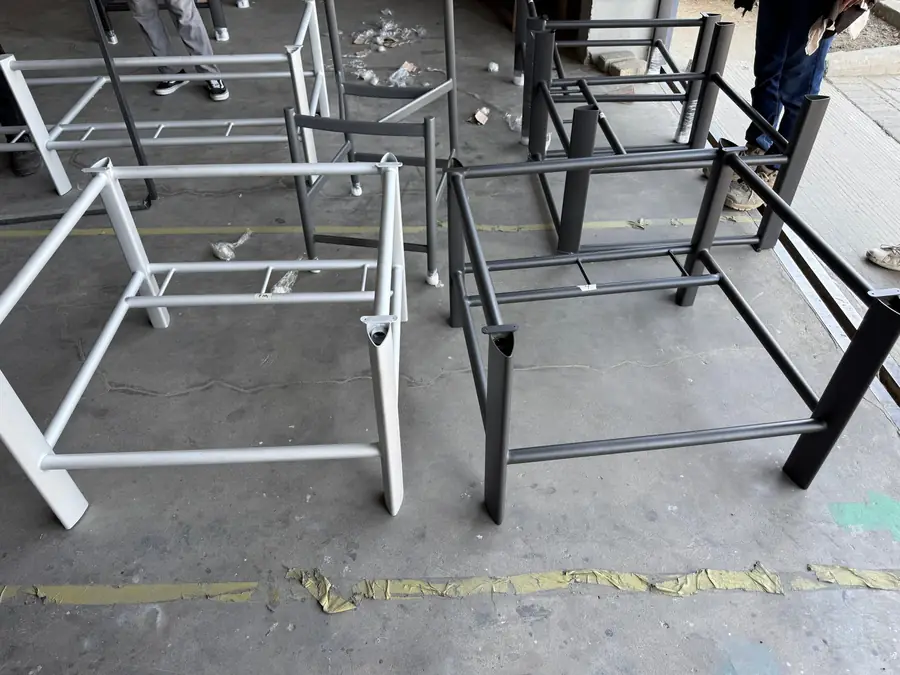
PT Quality Works builds steel and wood furniture in Surabaya, Indonesia. The company is European-owned, and the parts we were asked to clean are aluminium — the frames that end up as chair and table bases once they leave the paint line. The Q3740 went into production on 30 September 2026.
It started with a referral
The inquiry did not come from an advertisement. Another customer of ours in Indonesia passed our name to PT Quality Works, and the first conversation was about chamber size and surface finish rather than price. We have a long list of machines running in Indonesia, and most of the newer ones arrived exactly this way — through the customer standing next to the last one.
The brief was short, and specific
Blast the aluminium frames before painting, and hold the surface at SA 3.0. The frames are light, thin-walled and tall: in a tumble machine they would rub against each other and any contact mark shows through the paint. Hanging them on hooks removes that problem. It does not remove the second one — aluminium is a soft material, and a blast wheel set up for steel will round off its edges.
Why every turbine has its own VFD
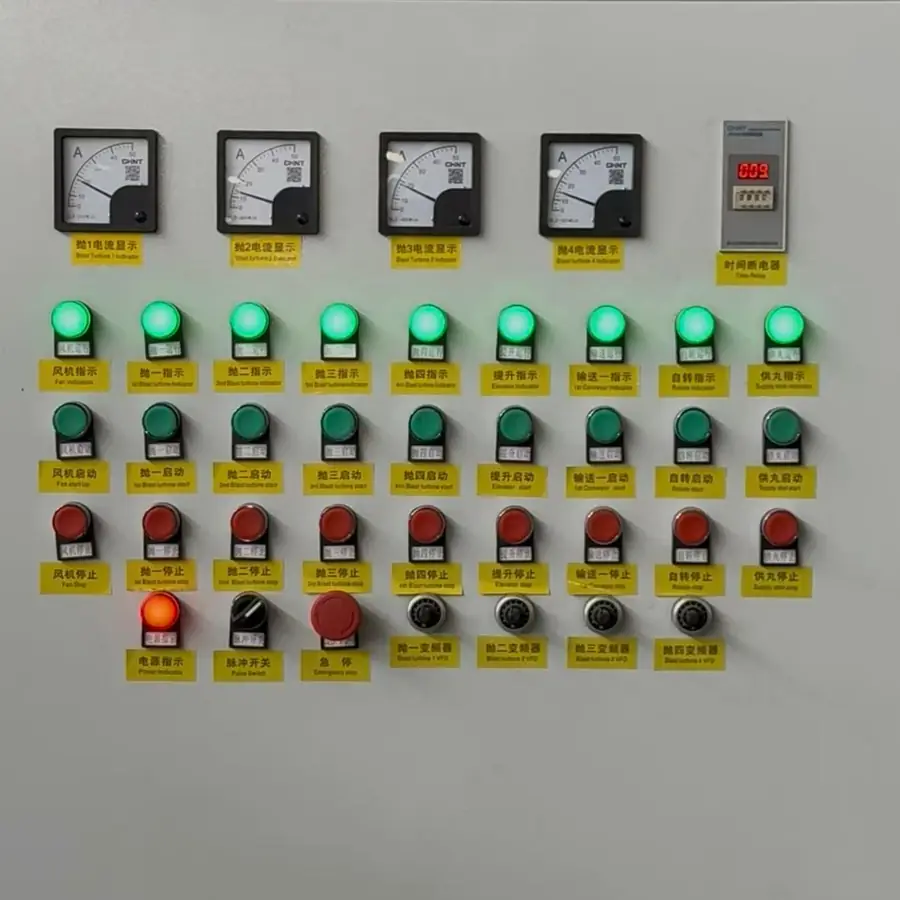
We fitted a variable-frequency drive to each of the four 11 kW turbines. The operator can run the wheels slower for thin frames and faster for heavier sections, and adjust it when the product mix changes on the line. Each wheel is set independently, which matters on a wide profile: the wheels facing the thin top rail do not need the same speed as the ones working the corner joints.
On a painted product, a rounded edge is a rejected part, not a cosmetic issue. The VFD is the cheapest way to make one machine handle both a fragile frame and a heavier section without changing wheels.
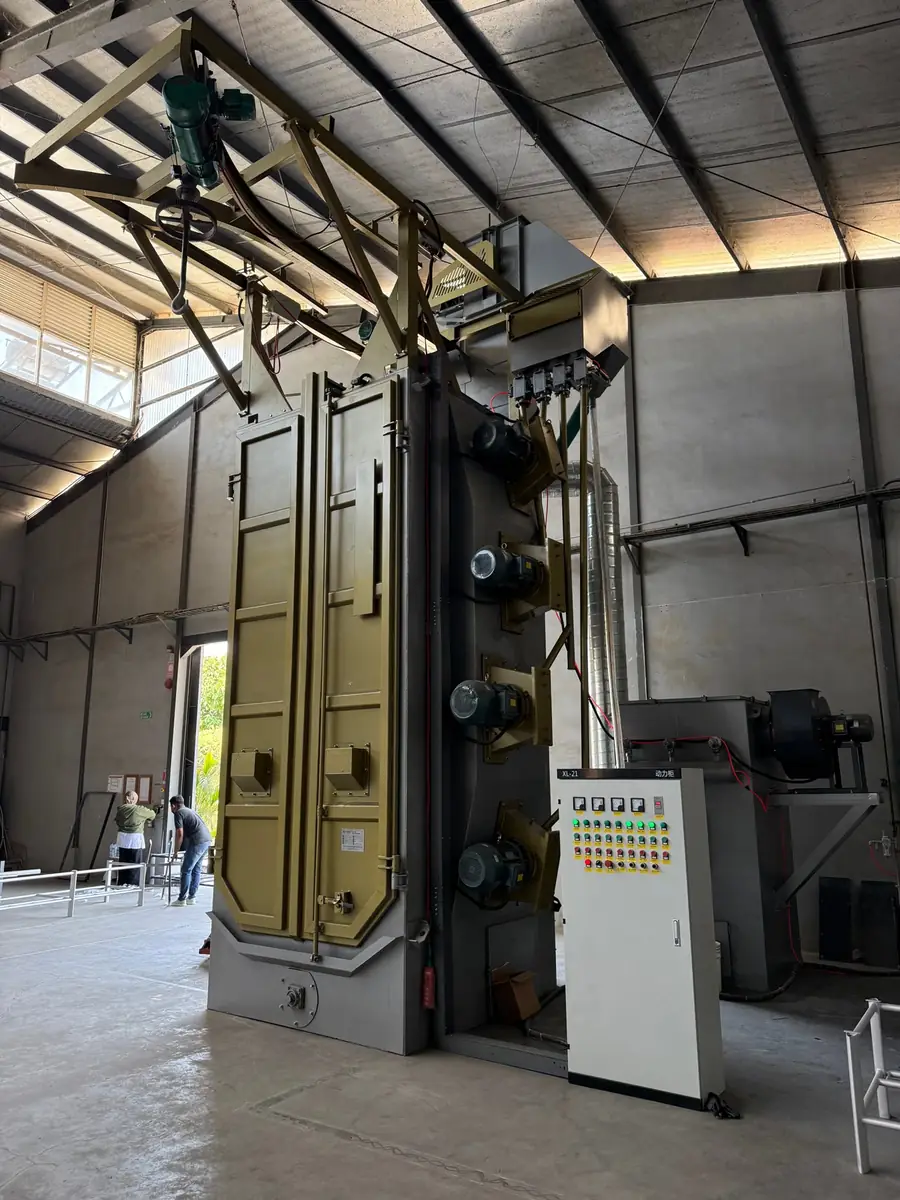
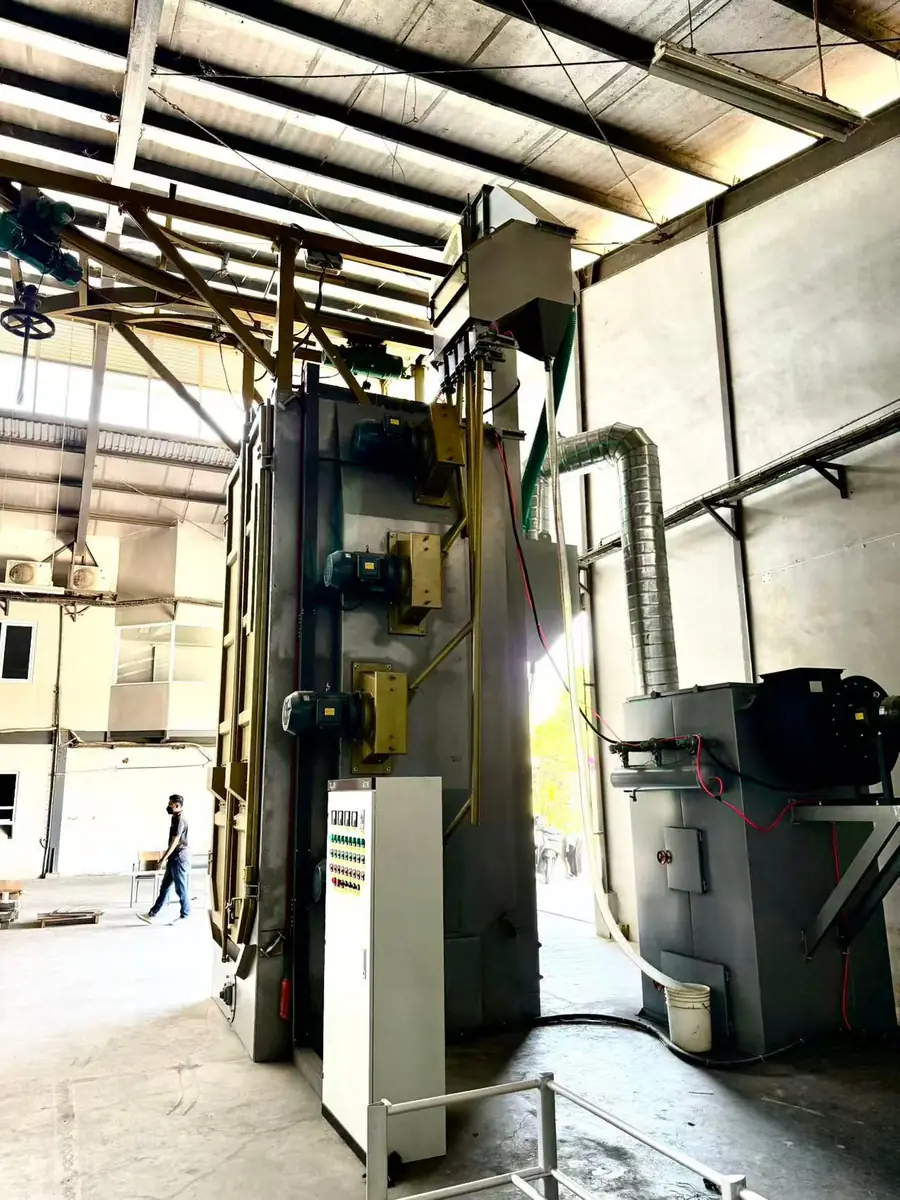
The machine we built
| Model | Q3740 hook type shot blasting machine |
| Hooks | 2, each rated 1,000 kg |
| Chamber (L × W × H) | 2,000 × 2,000 × 4,000 mm |
| Blast turbines | 4 × 11 kW, each with its own VFD |
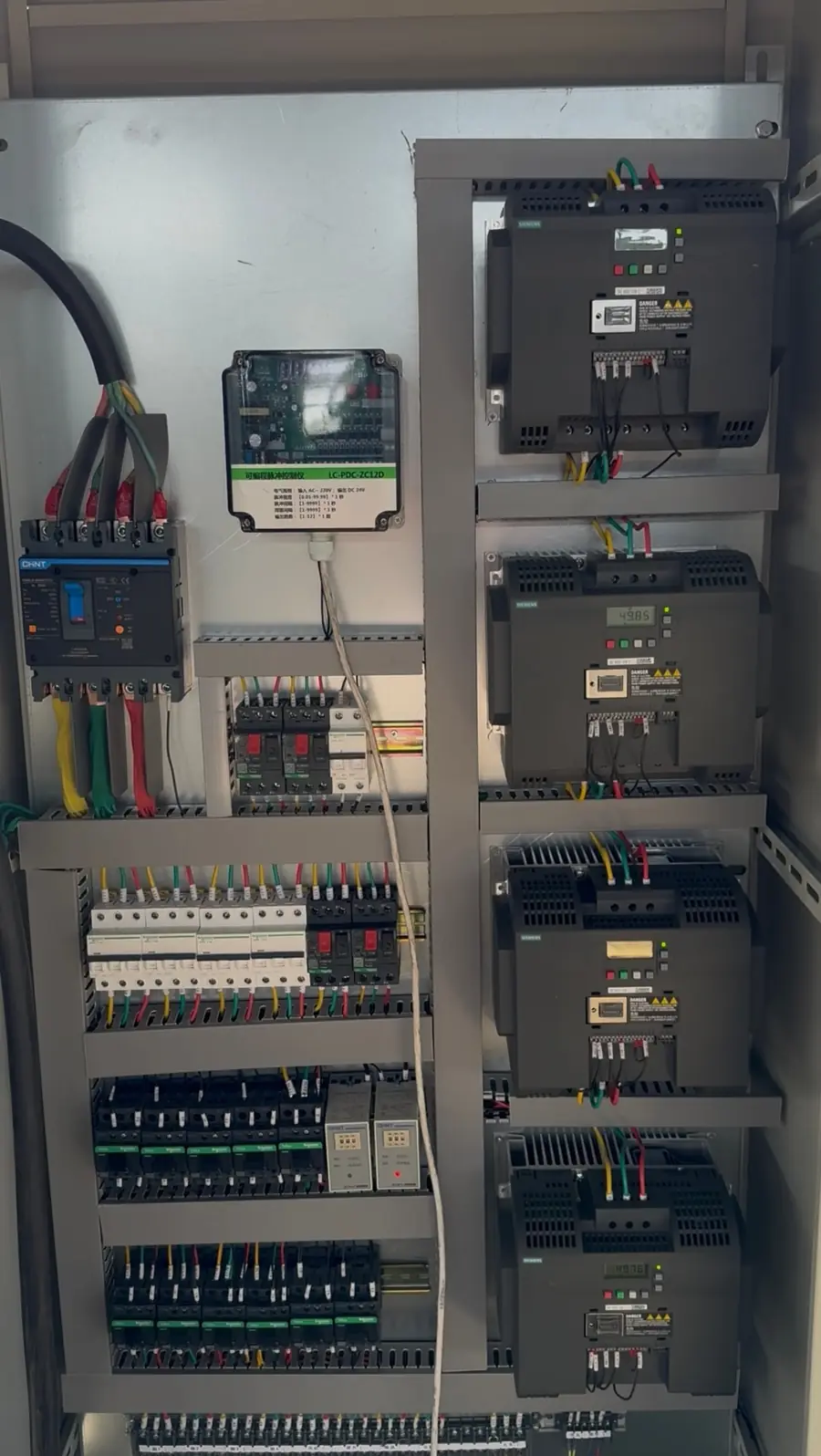
| Electrical | Schneider Electric components; Siemens VFDs |
| Power supply | 380 V, 3-phase, 50 Hz |
| Finish achieved | SA 3.0 |
| Paint | Customer's specified colour |
Inside the cabinet, and on the panel
A European-owned plant reads the electrical package the way European buyers do, so this was the part of the project we expected to be examined. Breakers, contactors and relays are Schneider Electric. The four drives are Siemens. The dust collector runs on a pulse controller, and each turbine has its own ammeter on the door so the operator can see load at a glance rather than guessing from the sound of the machine.
Seven days in Surabaya
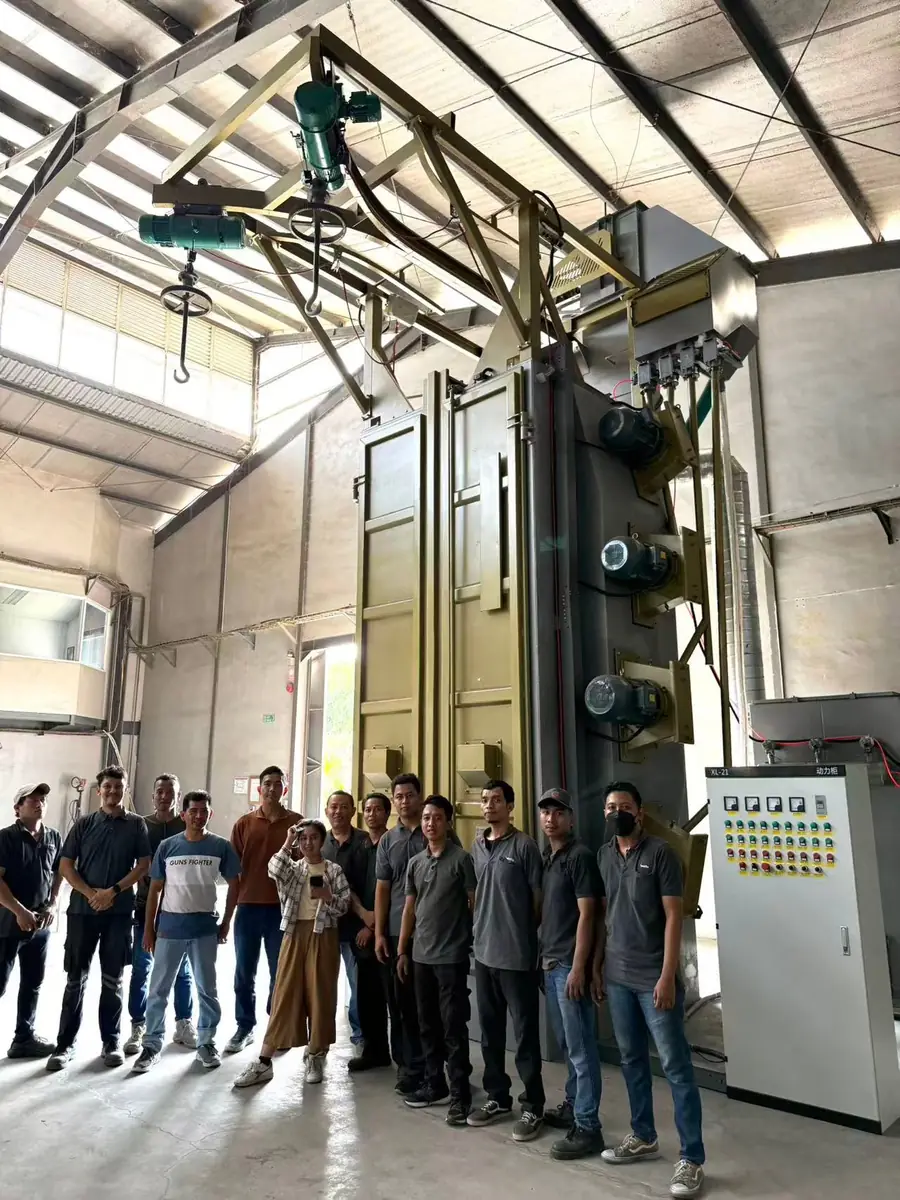
Two engineers travelled from Botou for installation, commissioning, operator training and the first production runs. We stay until the customer's own team can run the machine without us — on this project that took the full week, including the paint line's first batches through the new surface. The plant was already running when we arrived, so there was no room to hand over a machine and leave.
The result
The frames come out at SA 3.0 with the wheels running well below maximum speed. The acceptance video is short: three words, repeated, from the customer's team standing next to a finished batch — "Good! Good! Good!"
Shipping, in two clips
The machine was packed at our factory in Botou and loaded straight from the assembly bay. Both clips are from the loading day, before the container left for Surabaya.
What this project tells an aluminium finisher
Aluminium is not a difficult material to blast. It is a difficult material to blast evenly, because the window between "clean" and "damaged" is narrow, and thin sections show every mark once they are painted. Three things made this job straightforward:
Hanging instead of tumbling. No part-on-part contact, so no dents to polish out before painting.
Independent wheel speed. Four turbines on four VFDs, tuned to the part in the chamber rather than to a single factory setting.
Commissioning that finishes the job. Installation is the easy part; the week on site is what turns a machine into a production line that meets SA 3.0 on every batch.
Common questions on this configuration
Can a hook machine blast aluminium without marking it? Yes, if the wheels can be slowed and the parts are hung rather than tumbled. Both are specified at the quotation stage, not adjusted after delivery.
Why a VFD on each turbine rather than one for the whole machine? Because the four wheels do not see the same part. On a tall frame, the upper and lower wheels work different sections; independent drives let the operator balance coverage against surface damage.
What electrical standard did this machine use? 380 V, 3-phase, 50 Hz — the customer's plant supply. The cabinet was built and tested at that voltage before shipping.
How long does installation take? Seven days on this project, covering installation, commissioning, training and production support. For machines that arrive in several sections, we plan the site sequence before the container leaves.
If you are blasting aluminium or other soft alloys before painting, send us the part drawing, the surface standard you have to reach and your plant's supply voltage. We will tell you which machine type suits the part — and which wheel arrangement we would use.
Related: the hook type range guide, which machine type fits your part, what SA 2.5 and SA 3.0 actually require, blasting aluminium without damage.
Send your part for a quote Hook type machines More customer projectsParts in this story belong to PT Quality Works, Surabaya. Photographs and videos published with the customer's agreement.